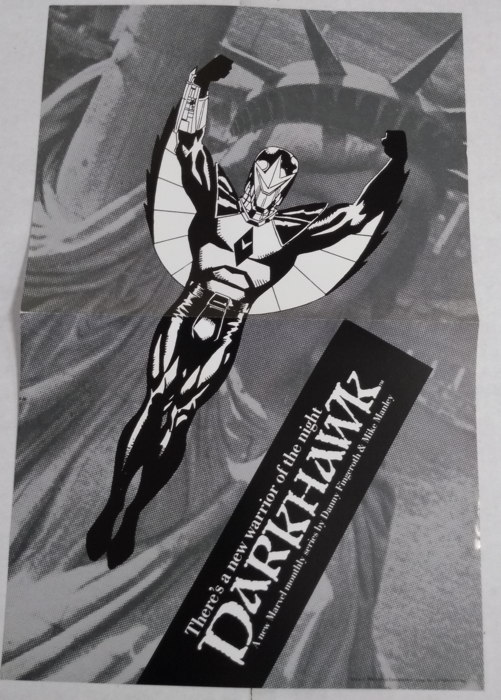
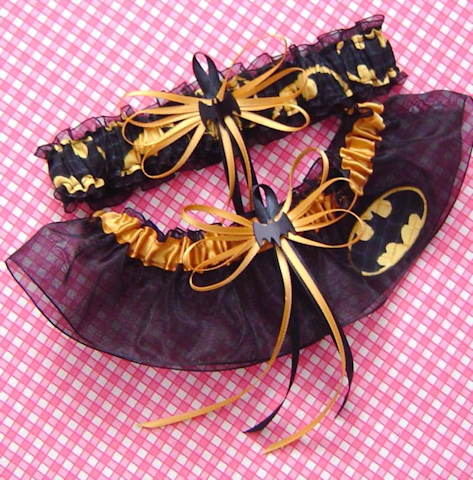
So when I was a kid, there were only two comics (that I recall anyway) that I purchased off the stands and were “double-covered” — in other words, an error in the manufacturing process attached a second cover attached over the first. One was this issue of Star Trek:

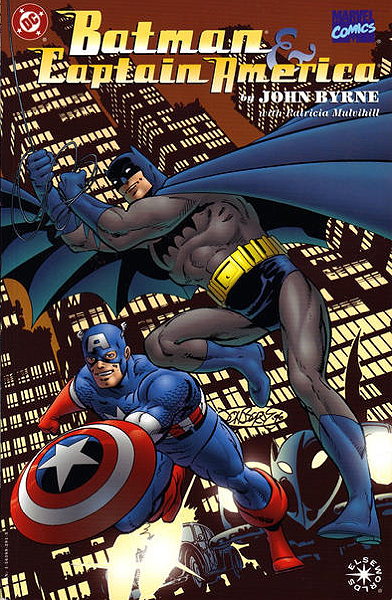
…and the other, this Batman Special:

And being a Comic Book Collector, I of course removed those second covers and used them as decoration in my bedroom.
Now double-covers are sort of pushing the line a bit in my ongoing variant cover-age, as these aren’t usually created by publishers on purpose as sales incentives (titles like Lobo’s Back and Comic Book Guy: The Comic Book excepted, of course).
However, they are cover-related alterations to your standard comic book that can attract buyer attention. Technically an “error,” but not one that affects the intended usage of a comic (like missing or misordered pages). It’s a value add, in a way, and for collectors of older books it creates the possibility of finding a cover in good shape beneath the extra outer cover that protected it all these years.
I’ve heard tell of comics with three or four covers accidentally affixed to a standard comic book, but I would guess that too many extra covers slipping through to a single book would gum up the printing works. And speaking of which, as time has gone on, this type of error was decreased as technology improved. The modern double-cover is a rarity.
But on older comics…well, they’re still rare, but they’re out there. Amazingly, over the thousands upon thousands upon thousands of older comics I’ve processed for sale at the previous place of employment and at my own store, I can’t honestly remember the last time I found a double-cover. Which may be why it was such a surprise when a couple of days ago I came across an example on this copy of Daisy and Donald #2 from 1973:

Well, that was pretty neat, thought I. Then, on Sunday, my former boss Ralph (who was at the shop helping me get more old comics processed) found this Flash #345 from 1985:

Now hopefully you can see why I had double-covers on the brain of late.
These comics 1) aren’t necessarily valuable or in huge demand in the first place, and 2) aren’t anywhere close to pristine condition and the difference in the shapes of the covers is relatively negligible, so I don’t know if the premium these comics will carry will be of any significance. However, given this crazy comics secondary market we’re existing in right now, I hesitate to say for sure what items such as these will go ultimately go for. Research is necessary, but again, the highly-mercurial nature of demand for collectibles in the presumably-latter-pandemic days may keep me from nailing down any price beyond “somewhat educated guess.”
Also, the double-covered Flash contains a Mark Jewelers ad bound inside:

…which is yet a whole ‘nother thing. As Ralph said about this comic, “you probably have the only double-covered Flash #345 with a Mark Jewelers ad in existence!”
A quick Googling to kick off my research turned up a page on identifying fake double-covered comics, which is not a thing I’d ever considered. But I suppose it’s the sort of thing that probably seems like an easy thing to do (along with reinserting inserts like Mark Jewelers ads or trading cards into comics where they were removed, or never these in the first place). Plus, once again, we’re in a marketplace right now where people are desperate for collectible comics, so this sort of activity has probably only increased.
And yes, I’ve looked at eBay too, and prices for double-covered books don’t seem to be too far out of range with what I’d expect for many of the featured comics. Lots of other variables are involved (whether it’s slabbed and graded, is a “key” issue, is Golden Age or not), so further investigation is needed as to whether or not I’m charging $1,000 for that Daisy and Donald. (That Flash, however, is at least $2,000, easy.)